Tracing Tournament Psychology Through Mobile App Notifications and Self-Limiting Tools in Regulated Gaming Environments
Clara Koch · Aug 20, 2026
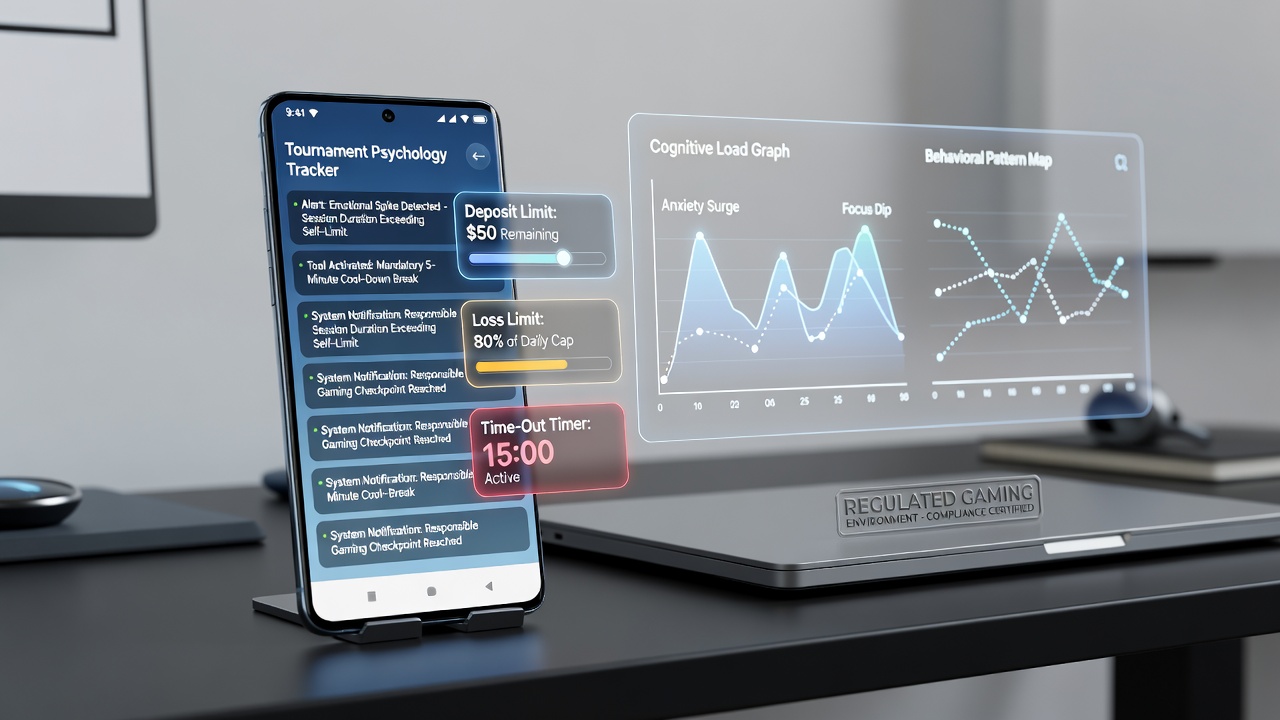
Tracing Tournament Psychology Through Mobile App Notifications and Self-Limiting Tools in Regulated Gaming Environments
Regulated gaming platforms track tournament psychology by analyzing patterns in mobile app notifications and the activation of self-limiting tools, and these systems capture data on decision timing, emotional responses, and session adjustments during high-stakes play. Operators collect metrics from push alerts that prompt players about remaining blinds, stack sizes, or upcoming breaks, while self-limiting features such as deposit caps, session timers, and loss thresholds generate logs that reveal shifts in behavior under pressure.
Notification Systems and Behavioral Indicators
Mobile applications in licensed jurisdictions send real-time updates that double as data collection points, and researchers examine how players interact with these alerts to map psychological states like focus lapses or increased aggression. For instance, frequent dismissal of break reminders correlates with prolonged engagement periods, whereas repeated checks of stack updates often precede conservative bet sizing in later tournament stages. Data from multiple operators shows that notification response rates drop during extended sessions, a pattern observers link to fatigue accumulation rather than strategic choice.
Platforms integrate these signals with broader telemetry, and regulatory bodies in regions like Nevada and Ontario require operators to maintain anonymized datasets for review. Studies conducted through academic partnerships indicate that players who engage with fewer than 30 percent of informational notifications exhibit higher variance in decision speed during final tables, which aligns with documented stress markers in competitive environments.
Self-Limiting Tools as Psychological Markers
Self-limiting functions serve dual purposes by empowering users to set boundaries and by supplying structured records of when those boundaries activate, and this combination allows analysts to trace moments when psychological strain influences play. A player who enables a session timer mid-tournament often does so after a series of unfavorable outcomes, creating timestamped entries that researchers cross-reference with hand histories to identify tilt indicators. Deposit limit adjustments, meanwhile, frequently occur between events rather than during active sessions, suggesting anticipatory self-regulation rather than reactive intervention.
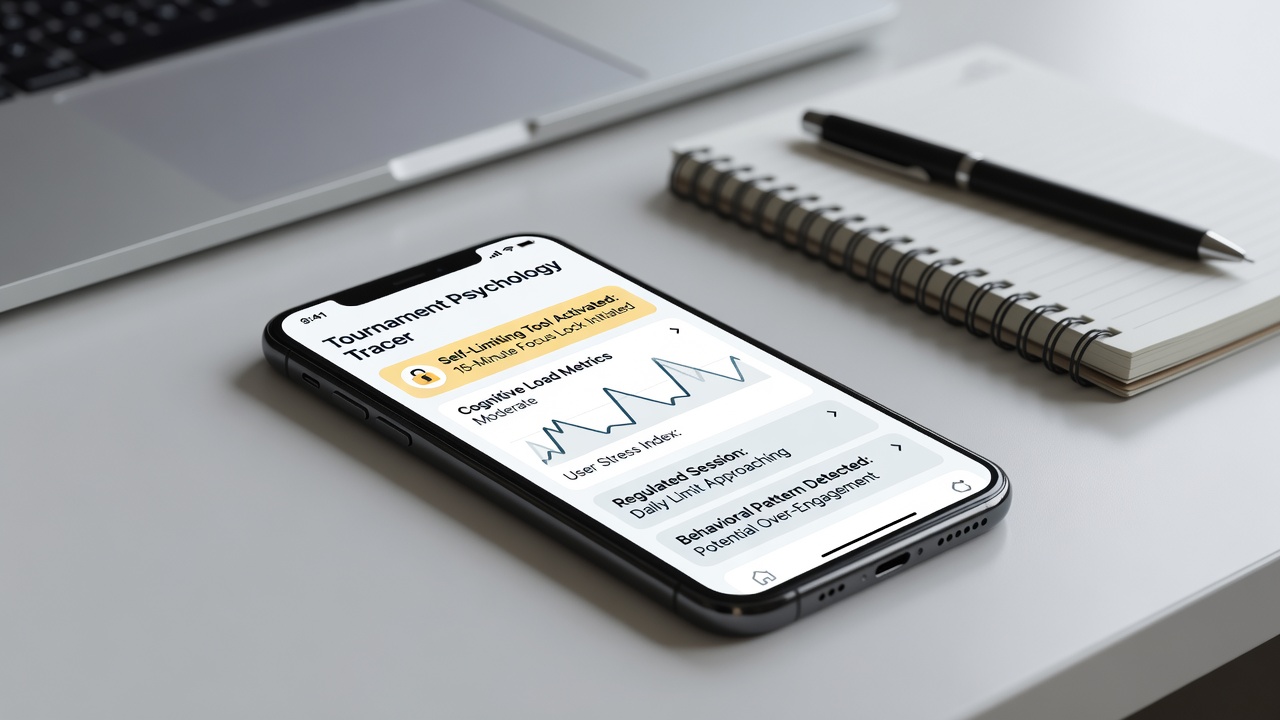
Figures from industry reports compiled in August 2026 reveal that approximately 18 percent of tournament participants in monitored markets activated at least one self-limiting feature during multi-day events, with cool-off periods proving most common after reaching day two. These activations cluster around specific psychological thresholds, such as consecutive losses exceeding 25 percent of starting stacks, according to aggregated operator data shared with oversight agencies in Canada and Australia.
Integration Across Regulated Markets
Regulatory frameworks in the United States and the European Union mandate that platforms log notification interactions alongside tool usage, and this requirement supports longitudinal studies on how digital cues affect tournament longevity and player retention. One dataset released by the National Council on Problem Gambling links reduced notification engagement with elevated voluntary exclusion requests within 48 hours of a major event conclusion. Another analysis from the Canadian Centre on Substance Use and Addiction examines similar patterns across provincial iGaming sites, noting that players who set multiple limits in advance demonstrate steadier performance metrics through later tournament rounds.
What's interesting is how these tools intersect with live event structures, since notifications often mirror physical tournament clocks and dealer announcements, creating parallel data streams that regulators use to validate compliance. Operators adjust alert frequency based on jurisdiction-specific rules, yet the underlying psychology tracking remains consistent because self-limiting records provide objective timestamps independent of player self-reporting.
Future Data Applications in August 2026 and Beyond
As updated compliance standards take effect in August 2026 across several North American and Australasian markets, platforms will expand notification granularity to include sentiment analysis derived from in-app reaction emojis and quick polls, and these additions will further refine psychological profiling when paired with self-limiting activations. Early pilots indicate that combining these elements allows operators to flag sessions where rapid limit changes coincide with notification fatigue, prompting targeted responsible gaming interventions without disrupting ongoing play.
Industry associations such as the World Lottery Association have published guidelines encouraging standardized export formats for these datasets, which facilitates cross-border research while preserving player anonymity. Observers note that the resulting insights help distinguish between strategic adaptation and psychological erosion during extended tournaments, offering clearer benchmarks for both regulators and platform designers.
Conclusion
The convergence of mobile notifications and self-limiting tools in regulated environments produces detailed maps of tournament psychology that extend beyond traditional behavioral observation, and ongoing data collection through August 2026 continues to sharpen these maps. Researchers gain access to timestamped indicators of stress, focus, and boundary-setting that inform both player protection measures and operational refinements across licensed platforms.