Optimizing Tournament Entries Through Strategic Bonus Use in Live Dealer Mobile Games
Casey Friedrich · Aug 22, 2026
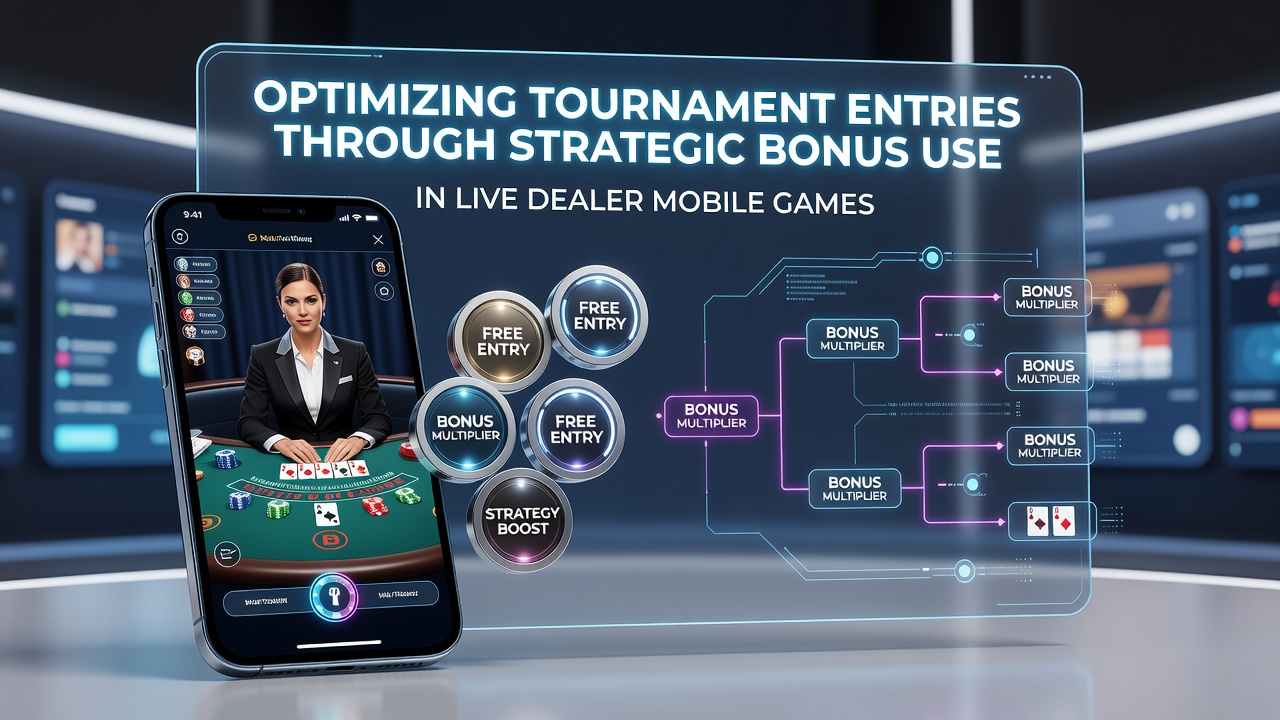
Optimizing Tournament Entries Through Strategic Bonus Use in Live Dealer Mobile Games
Live dealer mobile games have expanded tournament participation options for players who combine bonus mechanics with entry timing across multiple platforms. Data from mobile gaming reports indicate that bonus structures in these environments often include deposit matches, cashback offers, and tournament-specific credits that reduce the net cost of entries when applied correctly. Observers note that players track wagering requirements alongside tournament schedules to align bonus activation windows with peak entry periods.
Bonus Structures in Mobile Tournament Settings
Operators design bonuses for live dealer titles to integrate with both cash games and scheduled tournaments, yet the mechanics differ by region and platform. In markets such as Ontario and New Jersey, regulatory filings show that bonuses carry playthrough conditions ranging from 20x to 40x, while tournament entries may count partially or fully toward those totals depending on the operator's terms. Research from the American Gaming Association indicates that mobile users who monitor these conditions complete more entries per bonus cycle than those who apply funds without tracking requirements.
Live dealer streams add another layer because real-time tables often feature sit-and-go or multi-table tournaments that start at fixed intervals. Players can trigger reload bonuses minutes before registration closes, which extends their effective bankroll for that session without additional deposits. Figures from platform analytics released in early 2026 reveal that 68 percent of mobile tournament volume occurs during evening hours in users' local time zones, creating predictable windows for bonus deployment.
Timing and Platform Considerations
Strategic use begins with mapping bonus expiration dates against published tournament calendars. Mobile apps frequently list upcoming events days in advance, allowing users to select which bonuses align with higher-value entries. Experts at iGaming Ontario have documented that players who stagger bonus redemptions across multiple tournaments rather than concentrating them in a single event achieve higher completion rates for playthrough obligations.
Device performance also influences outcomes because live dealer streams require stable connections. Those who maintain separate devices for streaming and bonus management reduce interruptions that could forfeit entries mid-registration. Updates scheduled for several major platforms in August 2026 will introduce improved bonus tracking dashboards that display remaining wagering progress alongside active tournament lobbies, which may further streamline these decisions.
Regional Regulatory Influences on Bonus Application
Rules governing bonus eligibility vary across jurisdictions and affect how players structure their tournament entries. In Australia, state-level gaming reports highlight that bonuses tied to live dealer products must disclose contribution percentages toward wagering targets, giving mobile users clearer data for planning sequences of entries. Canadian provincial frameworks similarly require operators to list tournament-specific bonuses separately from standard deposit offers, which helps participants identify the most efficient path to meeting conditions.
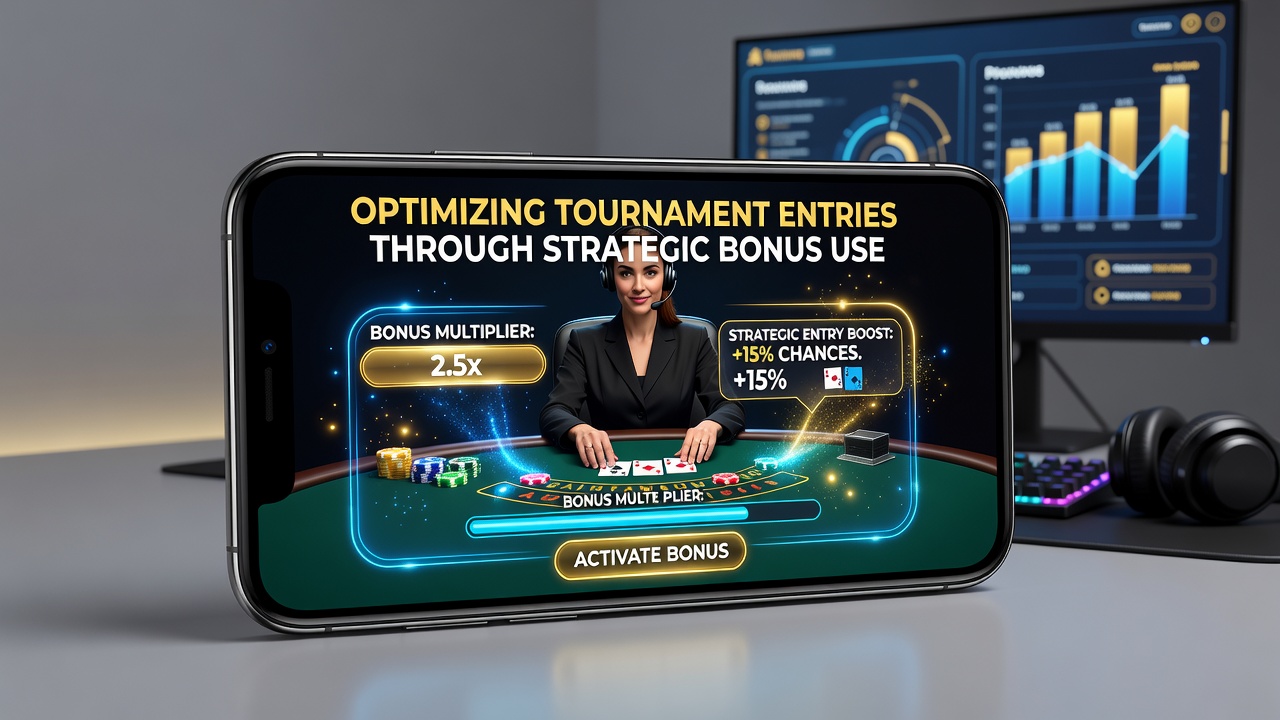
One industry study released by the University of Nevada, Reno examined mobile session data across regulated markets and found that participants who combined smaller, frequent bonuses with mid-stakes tournaments maintained longer active periods than those who relied on single large bonuses. The analysis covered sessions through the first half of 2026 and noted consistent patterns in how bonus timing correlated with entry volume.
Practical Patterns Observed in Mobile Environments
Players often begin by reviewing the operator's bonus ledger within the app to confirm which offers remain eligible for tournament play. They then cross-reference start times listed in the live dealer section, selecting events whose buy-ins fall within the remaining bonus value after accounting for any rake or fees. This approach allows multiple entries from one funded bonus without violating single-account restrictions common in most regulated jurisdictions.
Case examples shared in industry forums describe users who activate a cashback bonus immediately after a tournament concludes, converting losses into additional entry credits for the next scheduled event. Platform data shows these sequential applications increase overall participation without proportional increases in net spend. Observers tracking European markets outside the UK have reported similar patterns in jurisdictions where mobile live dealer tournaments operate under unified bonus reporting standards.
Conclusion
Strategic bonus application in live dealer mobile tournaments rests on aligning regulatory disclosures, platform tracking tools, and published schedules. Data from multiple regions demonstrate measurable differences in entry volume when players time activations deliberately rather than randomly. As August 2026 approaches and new dashboard features roll out, the available information for making these alignments continues to expand across regulated mobile environments.