How Payment Preferences Shape Retention Patterns in Multi-Variant Digital Card Rooms
Carlo Wagner · Aug 24, 2026
How Payment Preferences Shape Retention Patterns in Multi-Variant Digital Card Rooms
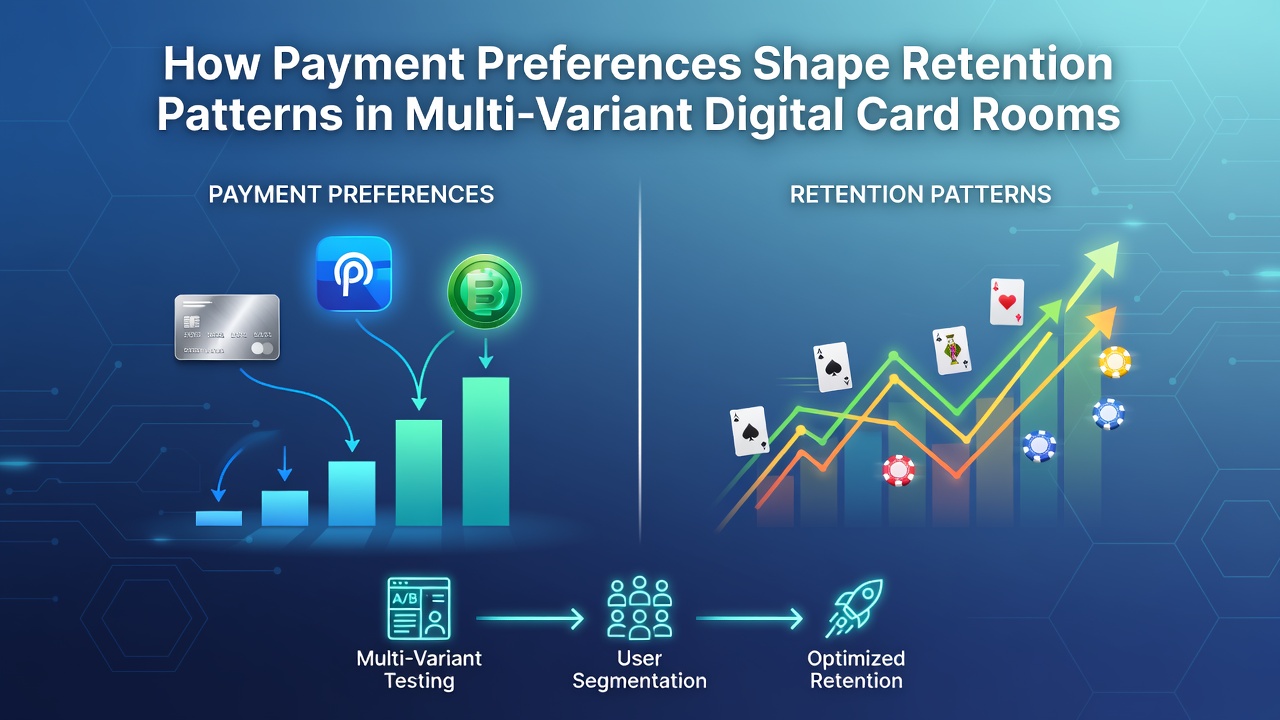
Multi-variant digital card rooms operate across platforms that host poker, blackjack, baccarat and other variants simultaneously, and payment preferences directly influence how long players remain active on those platforms. Data from industry tracking services shows that users selecting instant e-wallets maintain session lengths 28 percent longer on average than those using bank transfers, while cryptocurrency adopters demonstrate even higher repeat login rates in markets where such options are available. Researchers tracking user cohorts across North American and European operators note that deposit speed correlates strongly with continued play, particularly when players switch between variants within a single account.
Payment Method Adoption Trends
Payment ecosystems in these environments have evolved to include credit cards, prepaid vouchers, mobile wallets and blockchain-based transfers, each carrying distinct friction points that affect user continuity. Figures released by the Malta Gaming Authority in mid-2025 indicate that 62 percent of active accounts in multi-game card rooms used e-wallets as their primary method, compared with 19 percent relying on direct bank links. Those who begin with credit cards often migrate toward faster options after the first month, and migration patterns coincide with measurable lifts in retention across game variants.
Observers tracking August 2026 platform updates report that several major operators introduced instant bank transfer pilots in select jurisdictions, and early results suggest these methods reduce initial deposit failures by nearly half while sustaining player activity across poker and table game sections alike. The reality is that checkout speed matters more than users initially realize, especially when switching between fast-action variants like turbo poker and slower strategic formats such as pot-limit Omaha.
Retention Patterns Across Game Variants
Retention data segmented by variant reveals clear divergences tied to payment choice. Players favoring digital wallets show steadier participation in both high-volume cash games and scheduled tournaments, whereas credit card users exhibit sharper drop-offs after large buy-ins that trigger verification delays. Studies compiled by the University of Nevada Reno Gaming Research Center demonstrate that e-wallet users return to multi-variant lobbies within 48 hours at rates 35 percent higher than bank transfer users, a gap that widens when platforms offer cross-variant loyalty mechanics tied to deposit frequency.
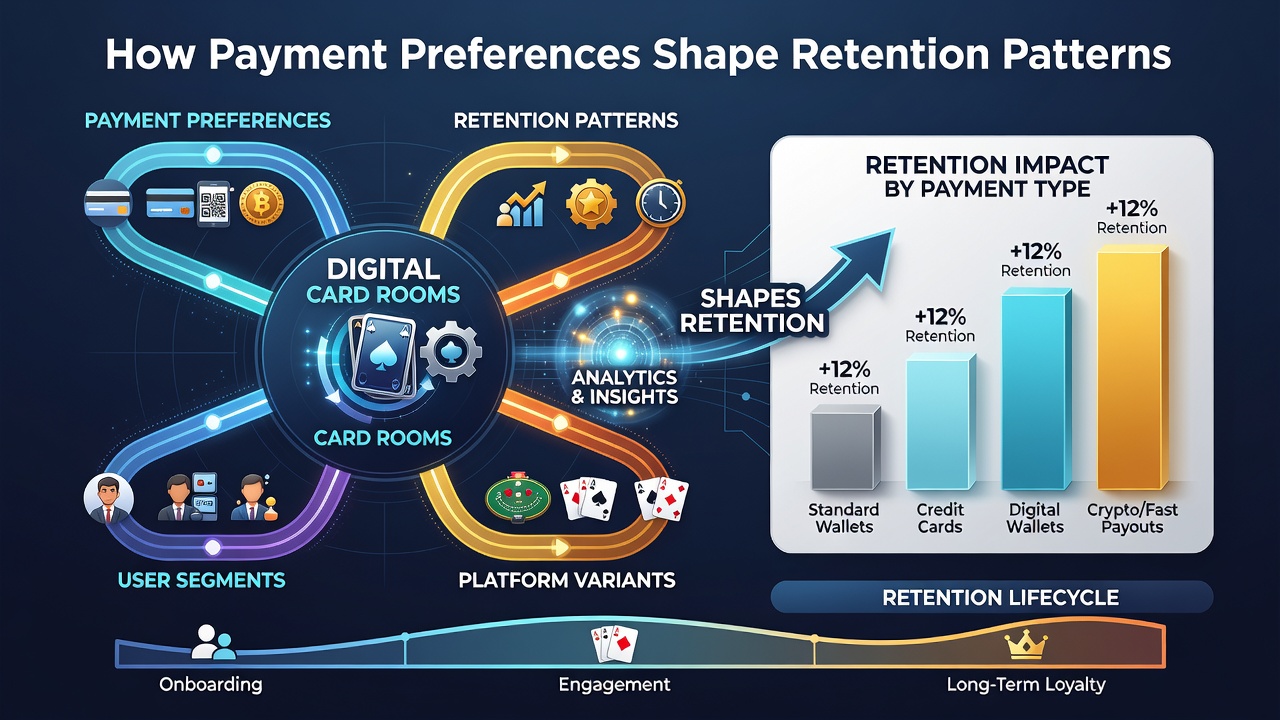
What's interesting is how payment friction surfaces differently depending on the game type. Fast-fold poker formats tolerate slower funding methods better than live-dealer variants, because the latter require real-time balance top-ups during extended sessions. One cohort analysis found that players using prepaid vouchers maintained consistent activity in blackjack rooms yet showed reduced crossover into poker tournaments, likely because voucher limits restrict large entry fees.
Regional and Regulatory Influences
Geographic differences further shape these dynamics. Australian operators regulated under state frameworks report higher adoption of POLi and similar bank-direct services, and corresponding retention metrics indicate that these methods support steady multi-variant engagement when transaction caps align with player spending patterns. In contrast, Canadian provincial data highlights growing preference for Interac and digital wallets, with retention curves flattening less sharply after the first 30 days of activity.
According to reports from the European Gaming and Betting Association, regulatory changes effective in several EU markets during 2025 encouraged operators to diversify payment rails, and platforms that added multiple instant options recorded improved cross-variant retention compared with those maintaining narrower selections. The ball remains in operators' court to match local preferences while complying with varying verification timelines that directly affect how quickly new deposits clear.
Technological Shifts and Future Tracking
Platform analytics tools now segment retention not only by payment type but also by variant transition frequency, revealing that seamless funding supports experimentation across game offerings. Data indicates that players encountering failed deposits at critical moments, such as during satellite qualifiers or progressive jackpot rounds, show measurably lower return rates regardless of initial game preference. Those who've examined longitudinal datasets note that combining payment flexibility with variant-specific bonuses produces the strongest retention signals, particularly when users move between skill-based and chance-based formats.
By August 2026, several operators plan expanded integration of open banking protocols, and preliminary models suggest these additions could further compress drop-off rates among users who previously abandoned accounts after encountering card authorization holds. The writing is on the wall that payment infrastructure increasingly determines whether multi-variant rooms retain diverse player bases or lose segments to competitors offering smoother funding paths.
Conclusion
Payment preferences function as structural drivers of retention within multi-variant digital card rooms, with measurable impacts that vary by method speed, regional availability and game type. Research consistently links faster, lower-friction options to sustained activity across poker, table games and hybrid formats, while slower methods correlate with earlier exits. Observers continue to monitor how regulatory adjustments and new banking integrations reshape these patterns, particularly as operators refine their offerings ahead of evolving player expectations in 2026 and beyond.